Corporate Accommodation vs Hotels: Which Saves Your Business More Money?
If your business regularly places employees in temporary accommodation, you have probably compared corporate apartments against hotels. The headline rate tells one story, but the total cost of each option tells a very different one. This comparison breaks down every line item so you can make the right decision for your business.
The Headline Rate Is Misleading
A hotel quotes you £89 per night. A corporate apartment costs £55 per night. The apartment looks cheaper. But the real comparison is more nuanced than that.
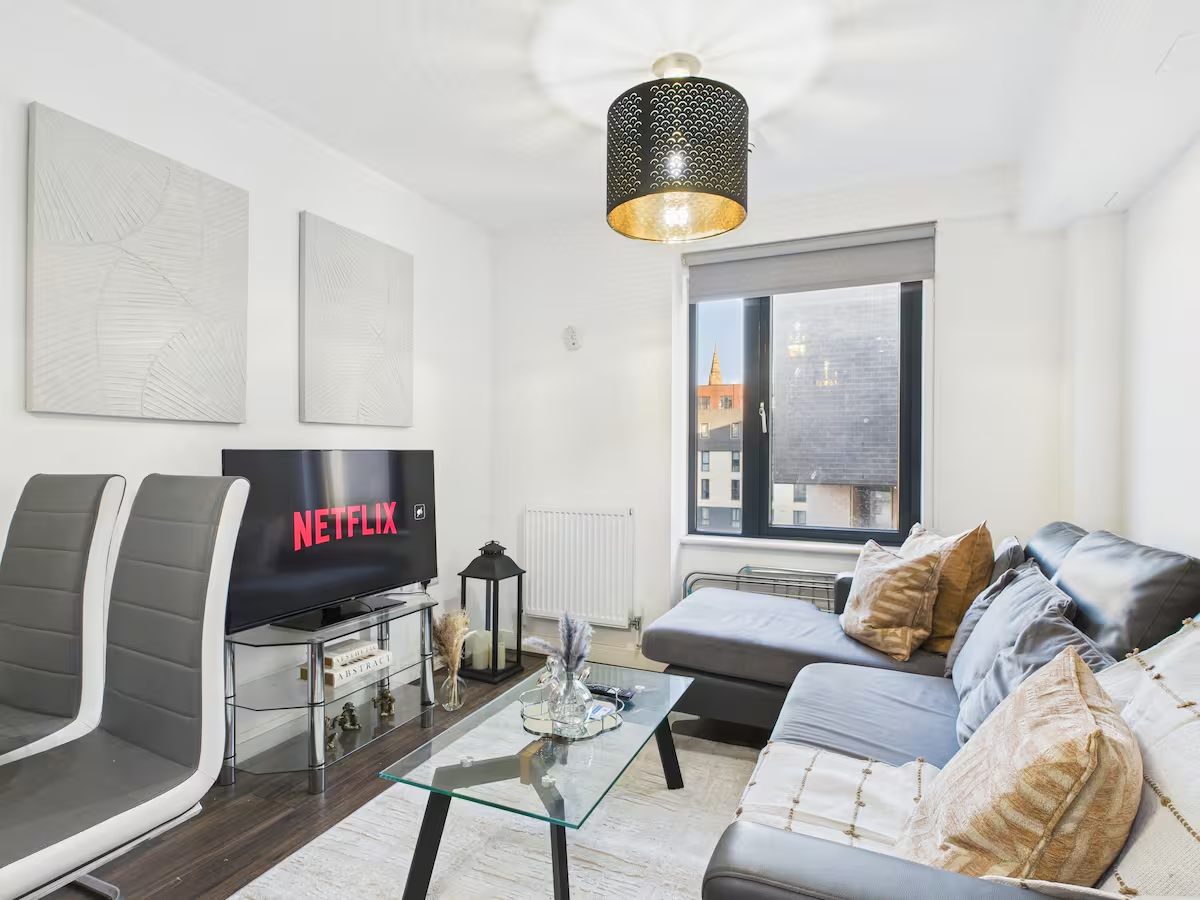
The hotel rate usually excludes breakfast (add £12-£15), parking (add £15-£25 per night in cities), and laundry (add £8-£12 per bag). The corporate apartment includes all bills, broadband, parking at most locations, and a full kitchen that eliminates most food costs.
For a single employee staying one week, the difference is modest. For a team of four staying three months, it can mean thousands of pounds.
Cost Comparison: One Employee, One Month
Business hotel (3-star, regional city): Nightly rate £89 x 30 = £2,670. Breakfast £12 x 30 = £360. Evening meals £18 x 30 = £540. Parking £15 x 30 = £450. Laundry £25 x 4 weeks = £100. Total: £4,120.
Corporate apartment: Monthly rate £1,650 (all inclusive). Food shop £200 (cooking in). Total: £1,850.
Saving: £2,270 per person per month. That is 55% less than the hotel option.
Cost Comparison: Team of Six, Three Months
Business hotel: £4,120 x 6 people x 3 months = £74,160.
Corporate housing (2 x 3-bed houses): £3,200 per property x 3 months = £19,200. Food allowance £200 x 6 x 3 = £3,600. Total: £22,800.
Saving: £51,360 over three months. That is enough to fund another hire or invest in equipment.
Beyond Cost: Welfare and Productivity
Cost is the most measurable difference, but it is not the only one. Corporate accommodation offers living space that hotels cannot match:
Employees in corporate apartments report lower stress levels on extended assignments. Having a proper kitchen means healthier eating. Separate living areas mean space to decompress after work. For teams, shared accommodation builds camaraderie that isolated hotel rooms do not.
When Hotels Make More Sense
Hotels still win in specific situations: one-night stays, last-minute bookings when no apartments are available, and VIP placements where the hotel brand and facilities matter.
For any stay of two weeks or longer, and especially for teams, corporate accommodation is almost always the better financial and welfare choice.
Related Pages
Want to see the exact savings for your team? Use our savings calculator or call 0115 718 1937 for a personalised quote comparing your current hotel spend against Overnightly corporate accommodation.